Affordable Housing in Virginia: Top 5 VA Cities for 2026
Affordable Housing in Virginia is still worth exploring if you compare regions carefully.
Wherever you buy a home, there are many things you need to check. You need to pay attention to the average home price in the area you want to move to, which neighborhoods are good to live in, and whether the surrounding area feels safe.
That is why today’s topic is this: a list of affordable and livable cities in Virginia for people planning to buy a home in 2026. We will also go over how to check neighborhood safety and answer frequently asked questions from prospective buyers. 😉
.
Affordable Housing in Virginia: What Will the Market Look Like in 2026?
According to the latest Zillow data available as of March 2026, the key housing trends in Virginia in 2026 are as follows.
.
Affordable Housing in Virginia: Affordable and Livable Cities
1. Roanoke
- Location: A central city in western Virginia near the Blue Ridge Mountains
- Median home price: about $299,444
- Pros: Roanoke is the lowest-priced city on this list. As of January 2026, there were 908 listings on the market, median rent was $1,200, and prices by ZIP code dropped as low as $199,950 in 24017 and $169,900 in 24013, showing a wide budget range.
- Cons: It is far from the D.C. or Richmond commuting sphere, and access to larger Korean commercial districts and job markets may be more limited than in the eastern part of the state.
- Tip: It is worth considering first if your top priority is budget, but you still want some level of city functionality. Even within Roanoke, differences by ZIP code and neighborhood are large, so address-level comparison matters.
- Why it is a good place to live: Roanoke can be a realistic choice for budget-focused owner-occupants because it has a relatively low entry price within Virginia and still offers a meaningful number of listings to choose from.
2. Hampton
- Location: Southeastern Virginia, within the Hampton Roads region
- Median home price: about $299,900
- Pros: As of January 2026, there were 430 listings on the market, median rent was $1,785, and the market was labeled a buyer’s market. Some neighborhoods were priced below the city average, including Downtown Hampton at $273,750 and Wythe at $279,900.
- Cons: Living conditions can vary significantly by area, and because it is a coastal market, buyers also need to consider insurance and climate-related risks.
- Tip: It is better to break Hampton down by ZIP code and neighborhood, such as 23669, 23605, and 23666. Even within the same city, the feel and price level can vary a lot.
- Why it is a good place to live: Hampton can be a strong candidate for first-time buyers because it offers a relatively low entry point within the Hampton Roads region and currently leans toward buyers.
3. Newport News
- Location: Southeastern Virginia, within the Hampton Roads region
- Median home price: about $313,900
- Pros: As of January 2026, there were 405 listings on the market, median rent was $1,795, and the market was labeled a buyer’s market. Areas such as South Newport News and Central Newport News show relatively lower pricing and broader supply.
- Cons: Neighborhood variation is significant, and the city includes a mix of family-oriented housing and more investment-style inventory, so sub-area comparison is especially important.
- Tip: ZIP codes such as 23605, 23601, 23602, and 23606 can feel quite different in both atmosphere and price, so relying only on the citywide average may be misleading.
- Why it is a good place to live: Newport News can be a practical option when trying to balance budget and everyday livability within the broader Hampton Roads market.
4. Richmond
- Location: Central Virginia, the state capital and one of the state’s main urban centers
- Median home price: about $369,950
- Pros: As of January 2026, there were 958 listings on the market, and median rent was $1,750. One of Richmond’s main advantages is that it allows buyers to access capital-city infrastructure and job opportunities at a lower price point than Northern Virginia.
- Cons: Richmond is not especially cheap by statewide standards, and neighborhood-level differences in price and lifestyle are very noticeable.
- Tip: It is better to evaluate Richmond by specific neighborhoods rather than only by the citywide average. If you want to balance job access and budget, narrowing the search by ZIP code or neighborhood is important.
- Why it is a good place to live: Richmond stands out as a strong real-world alternative for buyers who want to preserve urban infrastructure and job access while paying less than they would in Northern Virginia.
5. Virginia Beach
- Location: Southeastern Virginia, a major coastal city
- Median home price: about $439,818
- Pros: As of January 2026, there were 731 listings on the market, median rent was $2,200, and some submarkets were priced meaningfully below the city average. Holland was around $349,900, and ZIP code 23462 was around $322,500.
- Cons: Virginia Beach is not one of the cheapest areas in Virginia overall, and because it is a coastal market, buyers need to consider both insurance and neighborhood-by-neighborhood price variation.
- Tip: ZIP codes such as 23462, 23454, and 23456 vary a lot in price and feel, so citywide averages alone can blur important differences. If your budget is limited, it helps to filter by ZIP code first.
- Why it is a good place to live: Virginia Beach can still be seen as a relatively realistic option among coastal cities with strong living infrastructure, and owner-occupant demand remains steady within the Hampton Roads region.
- These areas were selected from an editorial perspective by considering median home prices, metro access, living infrastructure, and overall residential convenience.
- Median home prices were based on Realtor.com’s market overview data as of March 25, 2026.
.
Neighborhood Safety Matters Too
Safety is one of the few things you really cannot compromise on. Even within the areas introduced above, the atmosphere can change dramatically from one street to the next, so you should always double-check neighborhood safety.
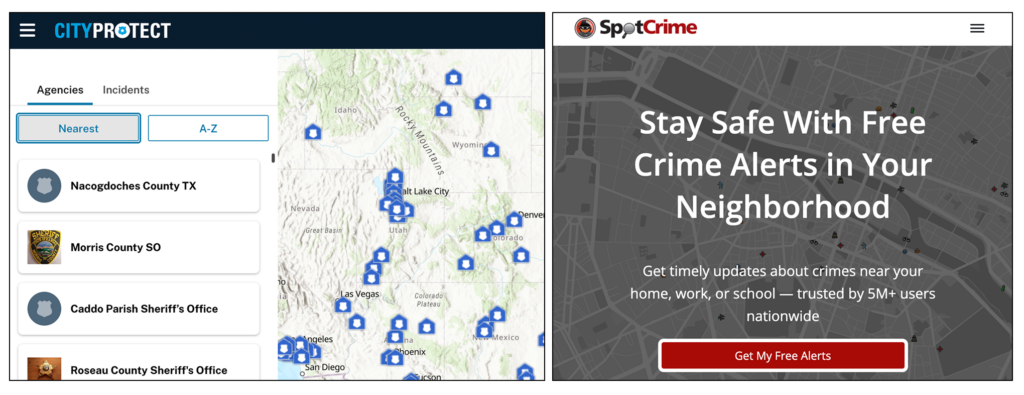
- Check crime maps: Visit online crime mapping sites such as CityProtect or SpotCrime, or local police department websites
- Visit during the day and at night, on weekdays and weekends: A neighborhood that seems peaceful during the day may feel very different at night or on weekends
- Check the atmosphere of nearby infrastructure: The condition of parks, local markets, and even abandoned vehicles can signal the true quality of an area
.
Frequently Asked Questions
.
Check Virginia Regional Loan Limits in 1 Minute
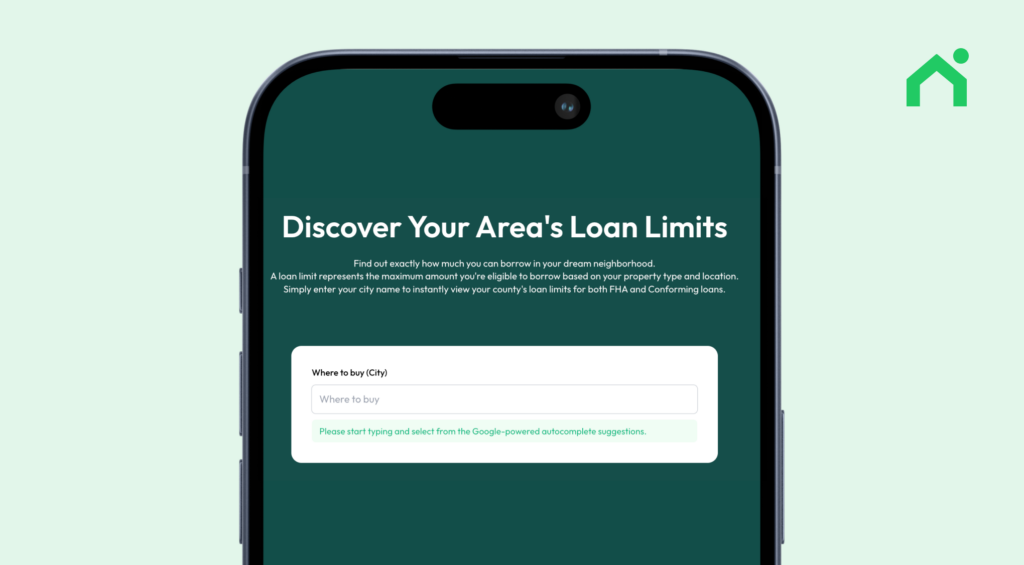
Click the link below to quickly and easily check Virginia regional loan limits for free. Start your smart homebuying journey with careful information and more confidence right now.