Cul de Sac Street & More: U.S Home Buying Checklist

When you start looking for a home in U.S, the process can feel more complex than expected. At first glance, it may seem like checking the interior condition and design is enough. However, in many cases, external factors have a much greater impact on both long-term costs and overall living satisfaction.
In the U.S., elements such as neighborhood structure, school districts, insurance requirements, and HOA regulations are all interconnected. If you overlook these external conditions, you may face unexpected expenses or inconveniences after purchase.
In this guide, we’ll walk through the key external factors you must check when buying a home in U.S, including how a cul de sac street and other location-based factors can affect your decision.
Check if the Property is on a Cul-de-sac Street
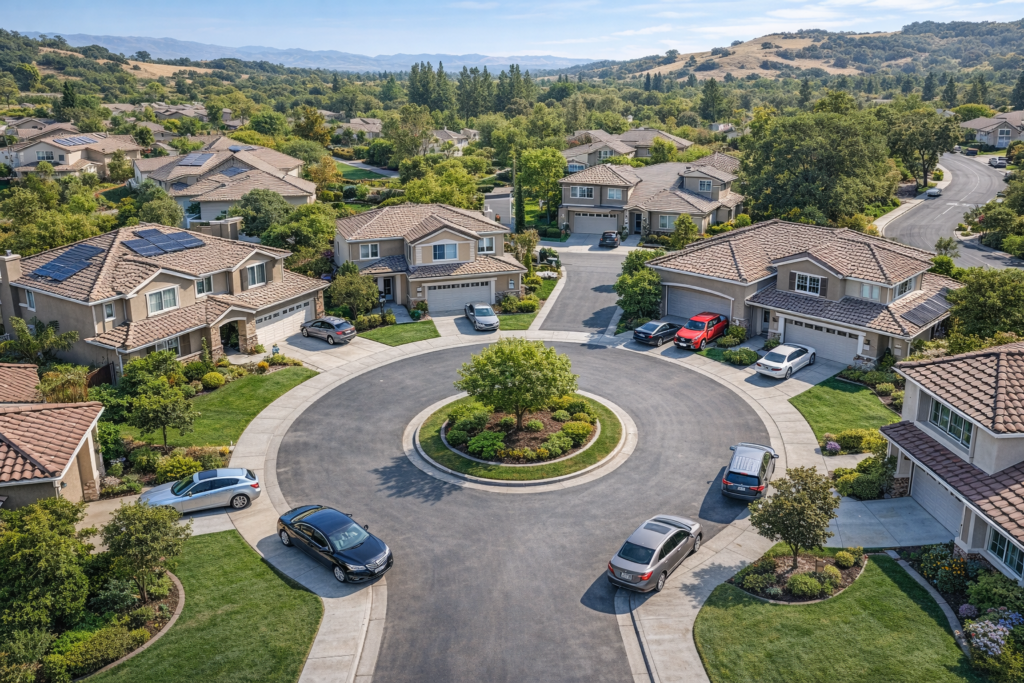
A cul de sac street refers to a dead-end road, typically designed in a circular or semi-circular layout.
Homes located on a cul de sac street are often highly desirable, especially for families, because they offer a quieter and safer environment with minimal through traffic. However, there are also trade-offs to consider.
- Pros:
- Less traffic, making it safer for children
- Quieter environment
- Greater privacy
- Cons:
- Limited accessibility and entry points
- Snow removal (in colder regions) may be delayed
💡 Tip: Homes deeper inside a cul de sac street often have larger, pie-shaped backyards. Always check the lot shape carefully.
2. Understand HOA (Homeowners Association)
In U.S, many properties are part of HOA-managed communities.
An HOA is not just a maintenance organization—it regulates various aspects of daily living, including exterior design, parking, and use of shared amenities. Monthly fees are required, and costs can vary significantly depending on the community.
- Costs: Monthly HOA fees can reach several hundred dollars, especially in communities with amenities like pools or landscaping. These fees are also included in your DTI (Debt-to-Income ratio).
- Rules: Restrictions may include exterior paint colors, lawn maintenance standards, and even vehicle types. Violations can result in fines.
💡 Tip: Before purchasing, request the HOA Resale Certificate to review financial health and any existing violations.
Check Flood Zone Status
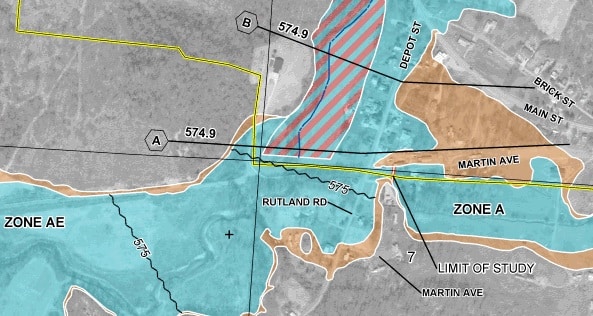

▲ (Source: FEMA.gov)
Even if a neighborhood appears calm and well-maintained, being located in a Flood Zone can significantly change the financial picture.
If the property is in a designated flood risk area, you may be required to purchase flood insurance. This can increase your monthly costs and affect loan conditions.
- Requirement: Flood insurance may be mandatory when obtaining a mortgage.
- Cost Impact: Flood insurance can cost thousands of dollars annually, impacting your long-term affordability.
💡 Tip: Use FEMA maps to verify whether the property is located in a Special Flood Hazard Area (SFHA).
4. Verify the School District Boundary
School districts are one of the most important factors influencing home values in the U.S.
However, a common mistake is assuming that a neighborhood automatically guarantees access to a specific school district. In reality, boundaries can change block by block.
- Boundary Check: Even a single street can determine which school your property is assigned to.
- Resale Impact: Homes outside of top-rated school districts may see slower appreciation over time.
💡 Tip: Always double-check school assignments using official, address-based school district tools.
5. Check for Easement (Property Rights Limitation)
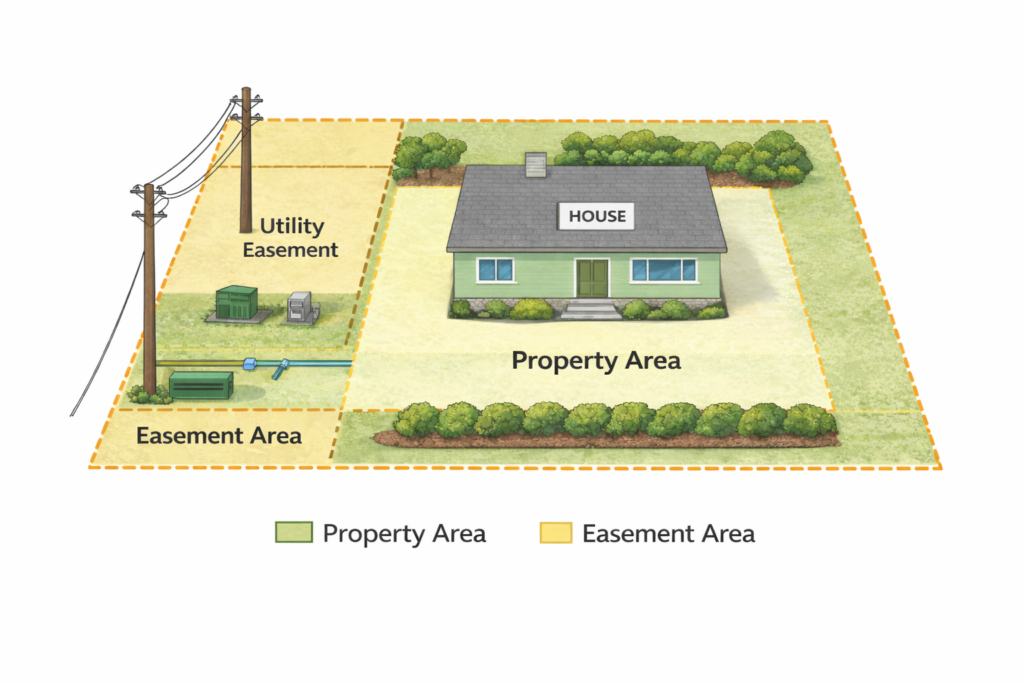
Even if you legally own the land, certain portions of your property may be subject to easement rights.
An easement allows utility companies or third parties to access or use parts of your land for infrastructure maintenance.
- Rights: Utility companies may access areas for electricity, gas, or sewer systems.
- Restrictions: You may not be allowed to build structures such as fences, pools, or extensions in those areas.
💡 Tip: Review the Title Report or Survey documents to clearly understand which parts of the land are fully usable.
Frequently Asked Questions (FAQ)
Q1. Is a cul de sac street always a better choice?
Not necessarily. While it offers safety and privacy, it may limit accessibility and parking. It’s important to evaluate based on your lifestyle.
Q2. Is it better to avoid HOA communities?
Not always. HOA communities provide better maintenance and consistency but come with costs and rules. The right choice depends on your preferences.
Q3. Should I avoid homes in flood zones entirely?
Not necessarily, but you should carefully evaluate additional costs, insurance requirements, and long-term risks before making a decision.
Q4. Do school districts matter if I don’t have children?
Yes. School districts significantly impact property value and resale potential, making them important even for investors.
Q5. Is having an easement a dealbreaker?
Not always, but it can limit how you use your property. It’s essential to understand the restrictions before purchasing.
Q6. When should I check these external factors?
Once under contract, it becomes much harder to adjust or renegotiate terms.
Why External Factors Matter
When considering what to check before buying a home in U.S, external conditions directly impact:
- Monthly ownership costs (HOA fees, insurance, etc.)
- Loan approval and eligibility
- Daily living convenience
- Future resale value
Overlooking these factors may not seem critical at first, but they can create significant long-term differences.
Why You Need to Check External Factors When Buying a Home in U.S

Understanding external conditions—such as HOA, Flood Zones, school districts, and easements—is essential when buying a home in U.S. These are not minor details; they are key factors that shape your financial commitment and living experience.
Before moving forward with a purchase, take the time to evaluate these elements carefully and establish clear criteria.
In the next post, we’ll cover the interior checklist—what you should inspect inside the home before making a final decision.
If you want to learn more about U.S home buying and mortgage strategies, consider speaking with an expert at Loaning.ai.