Mortgage Pre-Approval: Why It Matters and How to Get Started
In the previous articles, we walked through your budget, interest rates, lender comparisons, and the loan options available based on your situation.
Now, the final step is completing the process and getting ready to buy a home.
That process starts with a mortgage pre-approval.
Why Is Mortgage Pre-Approval Important?
In the U.S., buying a home involves more than just choosing a property.
In competitive markets, multiple buyers often submit offers at the same time. From the seller’s perspective, the most important question is whether the buyer is actually capable of completing the purchase.
This is where a pre-approval letter becomes critical.
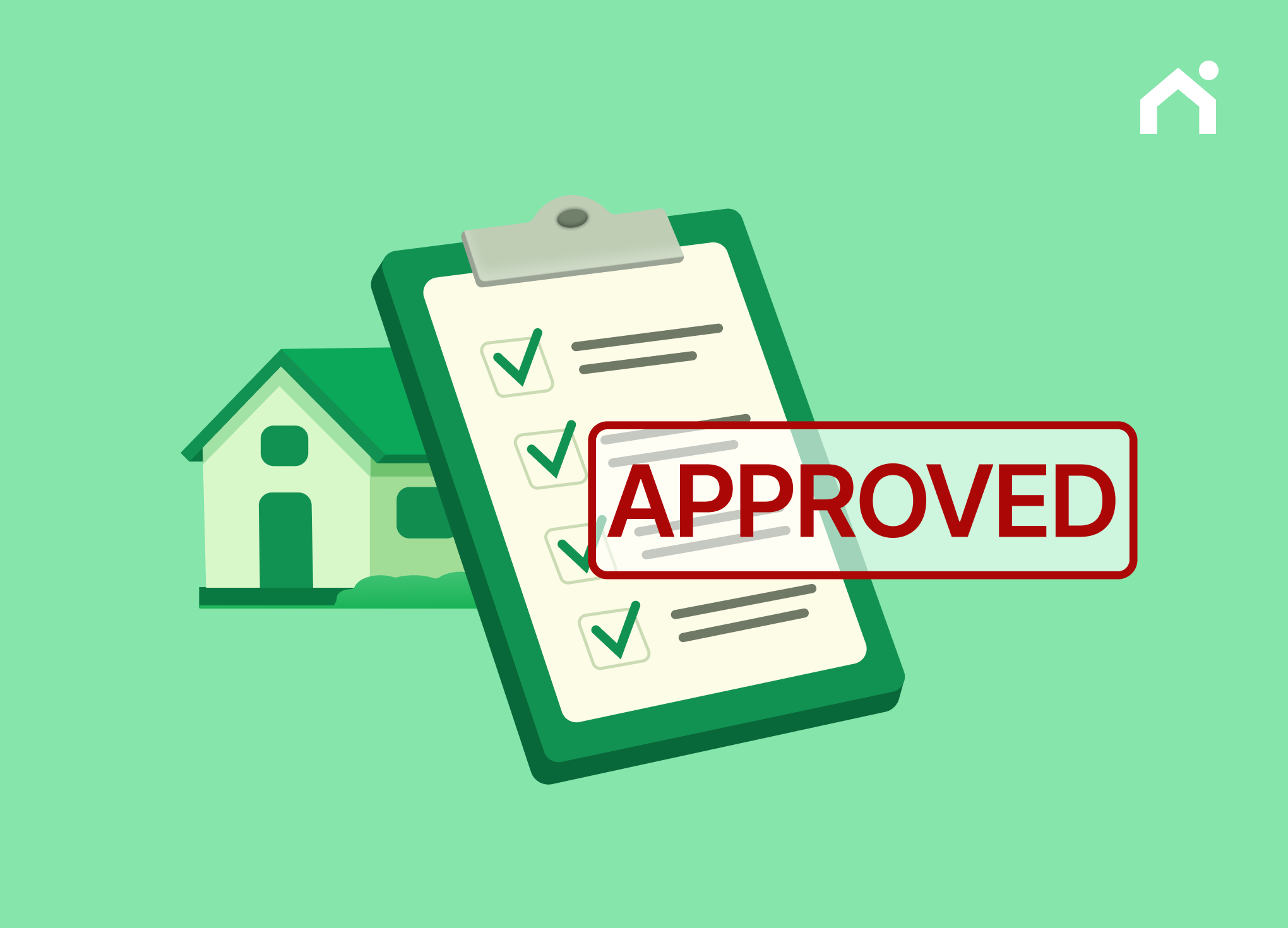
A mortgage pre-approval shows that your finances have already been reviewed by a lender.
As a result, buyers with pre-approval are in a much stronger position compared to those without it.
In many cases, it’s not optional—it’s practically required to compete.
Pre-Approval vs. Pre-Qualification: What’s the Difference?
These two terms are often confused, but they serve very different purposes.
Pre-qualification is a basic estimate based on self-reported information.
Pre-approval, on the other hand, involves reviewing your income, assets, and credit in detail.
In simple terms:
- Pre-qualification → for reference
- Pre-approval → used in actual transactions
How Does a Credit Check Affect You?
During the mortgage pre-approval process, a credit check is required.
This typically involves a hard inquiry, which may have a small and temporary impact on your credit score.
However, if you apply with multiple lenders within a short period (typically 14–45 days), these checks are often grouped as a single inquiry.
That means you can compare multiple lenders without significantly affecting your credit.
That said, during this period, it’s important to avoid other credit activities such as:
- Opening new credit cards
- Applying for auto loans
These can impact your credit separately.
What Do You Need for Mortgage Pre-Approval?
To get pre-approved, you’ll need to provide documents that verify your financial situation.
Typically, this includes:
- Identification documents
- Proof of income (W2, 1099, etc.)
- Bank accounts and asset information
- Existing debt information
This is not just a rough estimate—it’s a key step in determining whether you qualify for a loan.
What Makes Loaning.ai Different?
Traditionally, getting pre-approved required submitting documents and going back and forth with a loan officer.
Loaning.ai simplifies this process with an AI-based system that helps generate pre-approval letters more quickly.
Instead of lengthy back-and-forth communication, you can move through the process faster using structured inputs.
In a competitive market, speed matters—and having your pre-approval ready can give you a clear advantage.
Are You Ready to Start the Mortgage Pre-Approval Process?
If you’ve already gone through the previous steps—budgeting, rate analysis, lender comparison, and eligibility—you’re well prepared to move forward.
At this point, the goal is no longer just to compare options, but to confirm what you can actually move forward with.
Now It’s Time to Take Action
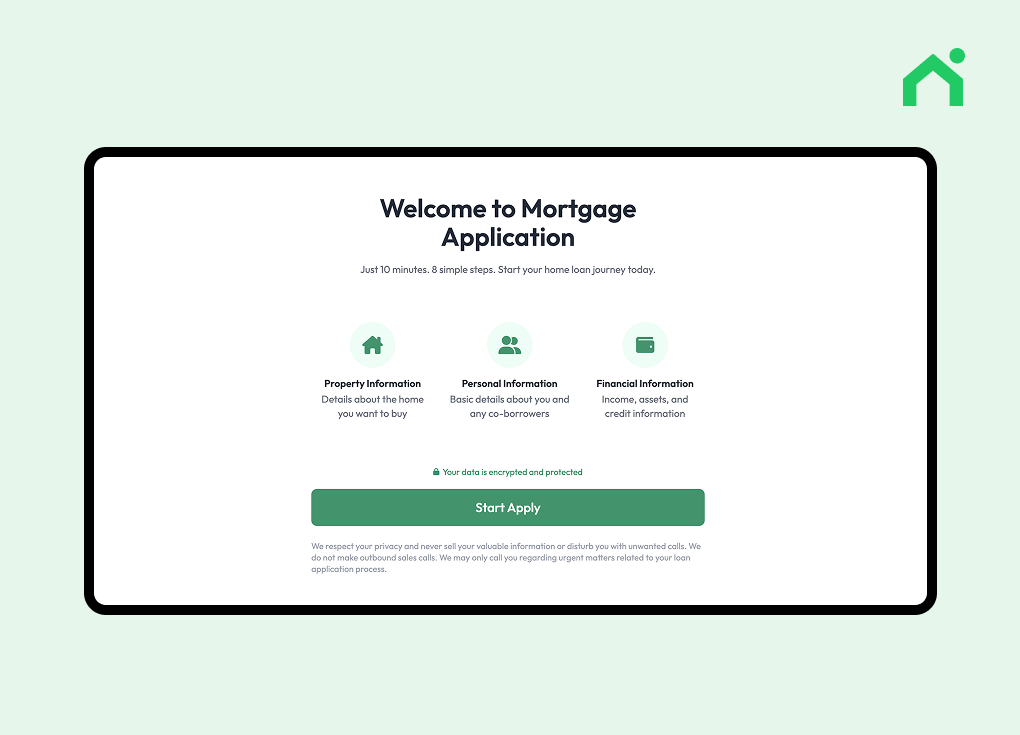
Up to now, you’ve been gathering information and comparing scenarios.
Now, it’s time to finalize your position.
Mortgage pre-approval is the step that turns your financial profile into a real buying position.
Especially in competitive markets, having your pre-approval ready can make a meaningful difference.
Start by confirming your options and take one step closer to your home purchase.