Oil Prices Drop on Iran De-escalation Hopes: What Homebuyers Should Know
Key Takeaway 🔎
- Oil futures fell more than 4% after President Trump said he had called off a planned strike on Iran. Lower oil can ease inflation pressure, but a proposed deal and one market move do not guarantee lower mortgage rates.
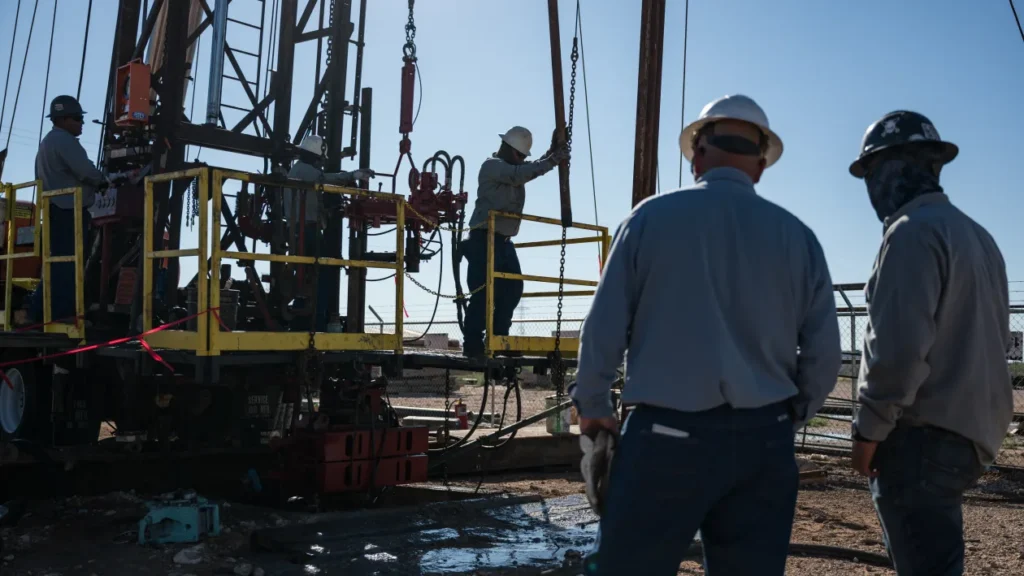
Eli Hartman | Bloomberg | Getty Images
CNBC’s figures were observed during Monday trading in Asia and may differ from later settlement prices. The reported price decline reflected a reduced geopolitical risk premium after the president’s statement, not proof that oil-supply risks had been resolved.
The latest FOMC statement said inflation remained above the Committee’s 2% goal and partly reflected supply shocks, including energy. That establishes why oil matters to the policy outlook, but it does not mean the Fed mechanically changes rates in response to one day of oil trading.
.
Oil Futures Fall as Markets Reprice Geopolitical Risk
Oil prices and mortgage rates are connected through inflation expectations and the bond market, but the relationship is indirect. On August 3, West Texas Intermediate futures for September delivery fell 4.5% to $80.89 per barrel during Asian trading. Brent crude futures for October delivery declined 4.4% to $84.10.
The move followed President Donald Trump’s statement that he had called off a planned strike on Iran after requests from Iran and other Middle Eastern countries. He said the proposed framework would include reopening the Strait of Hormuz and addressing Iran’s nuclear program.
.
A Political Announcement Is Not a Final Agreement
Markets reacted to the possibility of de-escalation, but the status of the proposal remained uncertain. CNBC reported that an Iranian defense official said Iran was treating every threat seriously. Fars International, which CNBC described as affiliated with the Islamic Revolutionary Guard Corps, dismissed the U.S. proposal as a wish list.
That distinction matters. Oil prices can fall quickly when traders perceive a lower risk of supply disruption, then reverse if talks fail or shipping conditions deteriorate. Consumers should treat the August 3 move as a market reaction to new information, not confirmation that the geopolitical risk has ended.
.
How Energy Prices Can Reach Mortgage Markets
Lower oil prices can reduce pressure on gasoline, transportation and production costs. If sustained, that may improve the inflation outlook. Softer inflation expectations can support Treasury and mortgage-backed security prices, which can help mortgage rates move lower.
The opposite is also true: a renewed oil spike can raise inflation concerns and bond yields. Still, oil is only one input. Employment data, wage growth, fiscal conditions, Treasury supply, global capital flows and investors’ risk preferences can all influence long-term yields and mortgage pricing.
.
What the Fed Actually Decides
The Federal Open Market Committee, not the president acting alone, sets the target range for the federal funds rate. At its July 28-29 meeting, the FOMC voted 9-3 to keep that target at 3.50% to 3.75%. Three members preferred a quarter-point increase. The statement said inflation remained elevated and pointed in part to energy-related supply shocks.
The federal funds rate is an overnight policy rate; it is not a 30-year mortgage rate. Mortgage rates can move before, after or even against a Fed decision when the bond market changes its expectations for future inflation, growth and policy.
.